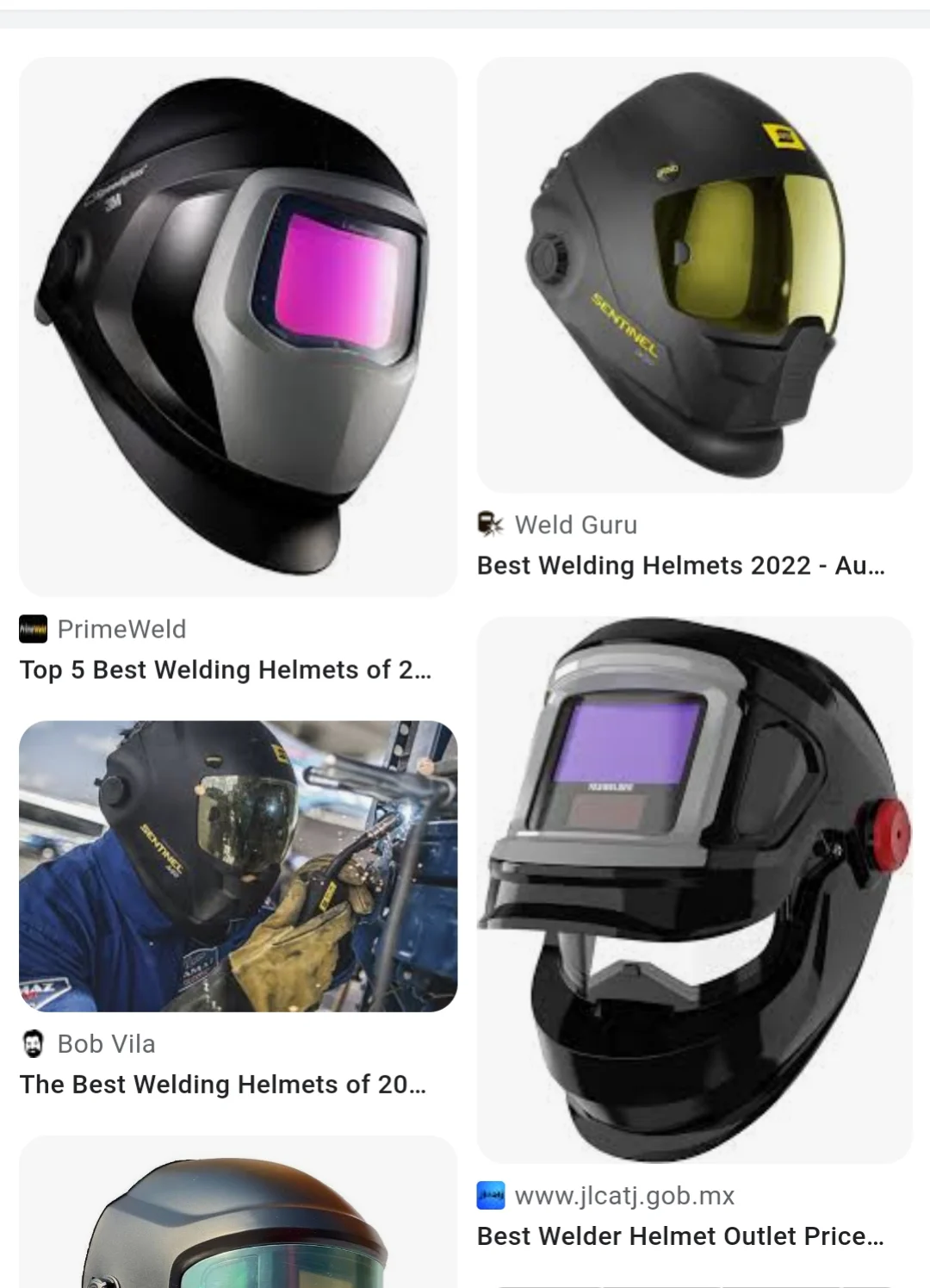
Best Welding Helmets for Glasses Wearers and Respirator Users
The best welding helmets for glasses wearers and respirator users do more than provide the correct shade level. They must leave enough room for prescription frames, sit securely without pressing on the nose or temples, and seal or position correctly around a respirator. A helmet that fits well can make it easier to maintain a stable welding position, while a poor match may cause fogging, pressure points, restricted movement, or gaps in protection. When comparing models, focus on the complete fit system rather than treating lens darkness as the only deciding factor.
Helmet Features That Improve Fit Over Prescription Glasses
Start with the interior shape. A helmet with a deeper shell and generous eye and nose clearance is usually more comfortable over glasses than a compact model designed for minimal headgear. Look for an adjustable headgear system with multiple length, height, and tilt settings. These controls let you move the lens away from the bridge of your glasses while keeping the viewing area aligned with your eyes. A smooth ratchet adjustment is particularly useful because it allows small changes while wearing gloves.
The shape and size of your frames matter as much as the helmet dimensions. Thin, low-profile frames may fit inside many standard shells, but wide temples, tall lenses, and safety glasses worn over prescription eyewear need more space. Try the helmet with the exact glasses you intend to wear, not a similar pair. Check that the frame does not touch the lens cartridge, interfere with the headgear, or shift when you look down. Pressure on the temples can become distracting during a long fabrication session, even if the helmet initially feels comfortable.
A large viewing area can make positioning easier, but it does not automatically mean better protection or comfort. Compare the clear aperture, lens distance from your face, and the location of external controls. Side-mounted controls may be simpler to operate with gloves, while internal controls are less likely to be bumped but may require removing the helmet. Reliable auto darkening lenses should transition consistently between light and dark states and provide the shade range appropriate for the welding processes you perform. Always confirm the manufacturer’s specifications and the applicable safety certification before purchase.
Clearance and Compatibility With Respirators
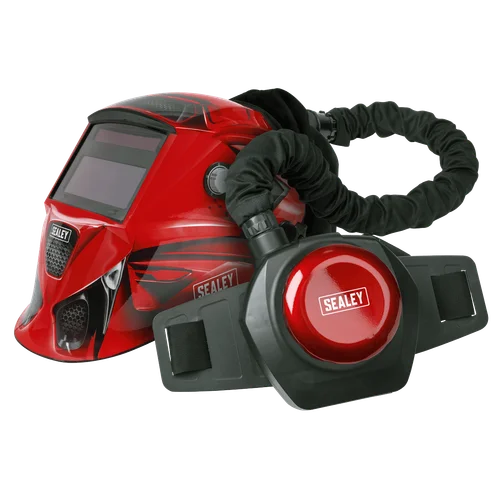
Respirator compatibility depends on the combination of helmet shell, facepiece, filters, and headgear. A half-mask respirator often requires less space than a full-face model, but its nose bridge and filter cartridges can still press against the front of a helmet. Powered air-purifying respirators and supplied-air systems may use larger head coverings, hose connections, or face seals that need a helmet specifically approved or designed for that setup. Do not assume that a helmet will work safely simply because the respirator fits underneath it.
Check the helmet’s lower edge, chin clearance, and rear profile. The shell should not force the respirator upward, distort its seal, or make the facepiece move when you turn your head. Filters and cartridges should remain unobstructed, and the breathing hose should not catch on the shell or restrict head movement. If you use a powered system, follow the respirator manufacturer’s compatibility guidance and any requirements for airflow, impact protection, and grinding modes. A welding helmet may provide eye and face protection without being a substitute for respiratory protection.
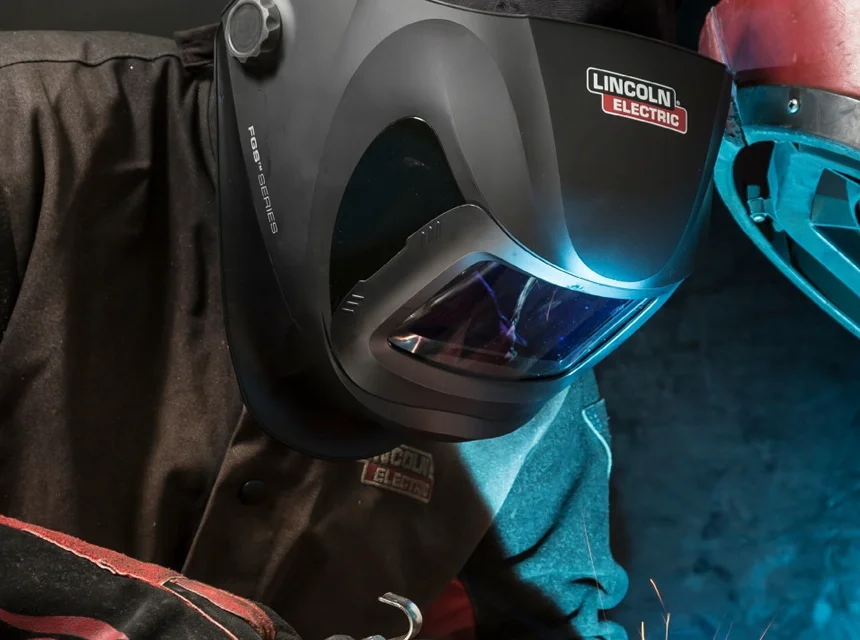
Some manufacturers and industrial suppliers organize their ranges around different work environments. Jackson Safety may be worth considering when you need a broad selection of headgear and lens configurations. Radnor models can be useful to compare when sourcing replacement parts or workplace-oriented equipment through an industrial supply channel. Lincoln Electric offers welding-focused helmet designs with options that vary by lens technology, shell layout, and adjustment system. Treat brand familiarity as a starting point, then verify the specific model’s clearance and certification.
How to Prevent Fogging and Improve Visibility
Fogging usually results from warm, humid air trapped inside the helmet, restricted ventilation, or a face covering that directs exhaled air toward the lens. Prescription glasses can make the problem worse because they create another surface for condensation. Choose a helmet with controlled vents or an airflow design that does not expose your eyes to sparks and spatter. Keep the lens cover clean and replace scratched, clouded, or contaminated covers instead of trying to polish them back to clarity.
WF-100 Welding Mask: Expert Opinion
Anti-fog products should be used only when they are compatible with the lens material and the manufacturer’s instructions. Household glass cleaners, abrasive cloths, and solvents can damage coatings or leave residue that scatters light. Use a clean, soft lens cloth and follow the care guidance supplied with the helmet. If fogging continues, reassess the fit of the glasses and respirator. A respirator that leaks upward toward the eyes can create more condensation than a helmet ventilation issue alone.
Good visibility also depends on the lens shade and the work environment. A Black shell may absorb more radiant heat than a lighter-colored shell in some conditions, while a Green shell may be preferred for its familiar traditional appearance; neither color determines lens quality or safety by itself. Select the shade recommended for the welding current, process, and electrode or wire type. For work that involves frequent changes between welding, setup, and inspection, auto darkening lenses can reduce the need to lift the helmet, but they still require properly functioning batteries, sensors, and reaction controls.
Recommended products
Use these catalog picks as a shortlist for best welding helmets for glasses wearers and respirator users. Compare measurements, materials, and return terms side by side instead of buying from a photo alone.

Best Welding Helmet Designs for Different Face and Head Sizes
For smaller heads or narrow faces, prioritize a compact shell with a headgear system that can tighten without forcing the lens too close to the nose. A lightweight design may reduce neck strain, but make sure the reduced size does not eliminate the clearance needed for glasses or a respirator. A helmet that shifts when you nod or bend over is not a good fit, even if its weight is low.
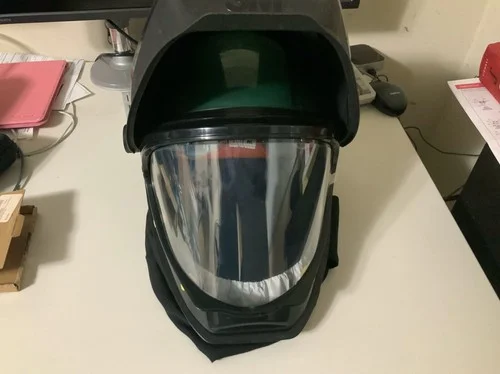
Average and larger head sizes often benefit from a shell with a wider rear adjustment range and a deeper interior. If you wear bulky frames or a half-mask respirator, look for a helmet with a broad chin opening and enough distance between the lens and facepiece. Adjustable tilt is valuable because it can create additional room at the bridge of the nose without leaving the lower face unnecessarily exposed. For full-face respirators or powered systems, seek a model documented as compatible rather than relying on trial and error.
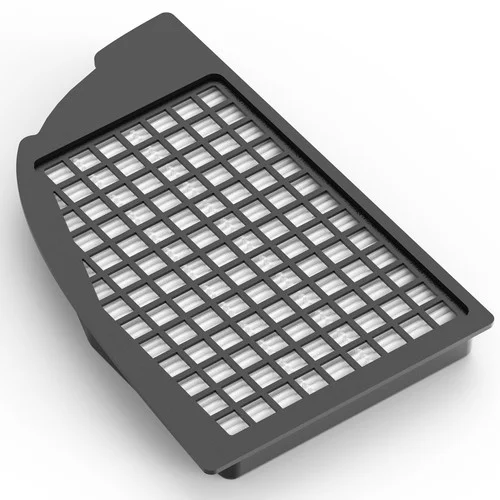
When comparing the three catalog picks that may appear on this page, use the same criteria for each one. One helmet may offer the best glasses clearance, another may have a more adaptable headgear system, and a third may provide stronger compatibility information for respirator users. Weigh the pros and cons of lens size, shell depth, adjustment range, replacement lens availability, weight, warranty, and stated certifications. A feature-rich helmet is not automatically the best choice if its shell presses on your respirator or its controls are difficult to use with gloves.
Fit and Safety Checks Before Starting a Welding Job
Put on the respirator, prescription glasses, and any required protective clothing before adjusting the helmet. Lower the helmet and check that the lens is centered over both eyes without touching the frames. Turn your head from side to side, look up and down, and lean forward as you would during a weld. The helmet should remain stable, the respirator should keep its intended seal, and no strap, hose, or filter should be pinched.
Inspect the lens cover, shell, headgear, and adjustment points for cracks, distortion, looseness, or heavy spatter. Confirm that the lens switches to the selected dark state when tested according to the manufacturer’s instructions. Make sure the shade is suitable for the job and that the helmet is in the correct mode for welding, cutting, or grinding. If the helmet has solar and battery power, check the battery condition and low-power indicator before work begins.
Finally, remember that a welding helmet is one part of a larger protection system. Wear the required safety glasses, flame-resistant clothing, gloves, hearing protection, and respiratory equipment for the task and workplace. Keep the work area ventilated and follow the respirator’s fit-testing and maintenance requirements. If you cannot achieve a comfortable fit without disturbing the respirator seal or compromising your field of view, choose a different helmet configuration rather than modifying the shell. The right model should let you work naturally while preserving the protective function of every piece of equipment.
FAQ: Best Welding Helmets for Glasses Wearers and Respirator Users
What welding helmet features work best with prescription glasses?+
Look for a helmet with a roomy interior, adjustable headgear, and enough nose and temple clearance for your frames. A larger viewing window and ratcheting fit system can also improve visibility and comfort without pressing the glasses into your face.
Can I wear a respirator under a welding helmet?+
Choose a helmet with a deep shell, generous chin and cheek clearance, and adjustable positioning so it does not press against the respirator. Check the helmet and respirator fit together before welding, since bulky filters, straps, or powered respirator components may require a different helmet design.
How can I stop my welding helmet from fogging when wearing glasses or a respirator?+
Use anti-fog lens treatment made for safety eyewear, keep the helmet’s ventilation areas clear, and avoid placing the helmet too close to your face. A well-fitting respirator and helmet that allow modest airflow can reduce heat and moisture buildup.
What type of welding helmet is best for different head and face sizes?+
Helmets with adjustable crown straps, rear ratchets, and multiple tilt positions are usually easiest to fit across different head shapes. A compact shell may suit smaller faces, while a deeper or wider shell can provide better clearance for larger heads, glasses, or respirators.
How should a welding helmet fit before I start welding?+
The helmet should sit securely without shifting when you nod, turn your head, or lean forward, and it should not contact your glasses or compress the respirator. Confirm that the viewing area is unobstructed, the lens is clean, the shade setting is appropriate for the job, and the helmet can be raised and lowered smoothly.